
LED Face Mask
Products that embody this.
Editorially selected from our ranked archive.
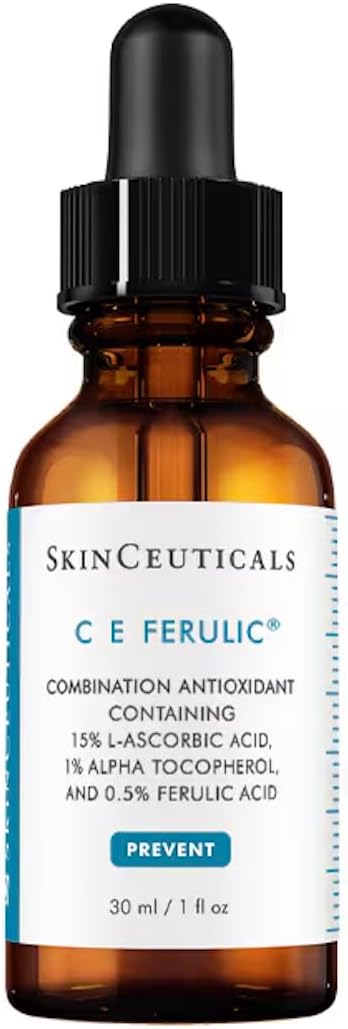
SkinCeuticals C E Ferulic
SkinCeuticals
“Peptide serum applied after LED sessions — capitalises on photobiomodulation-driven fibroblast activation for collagen amplification.”
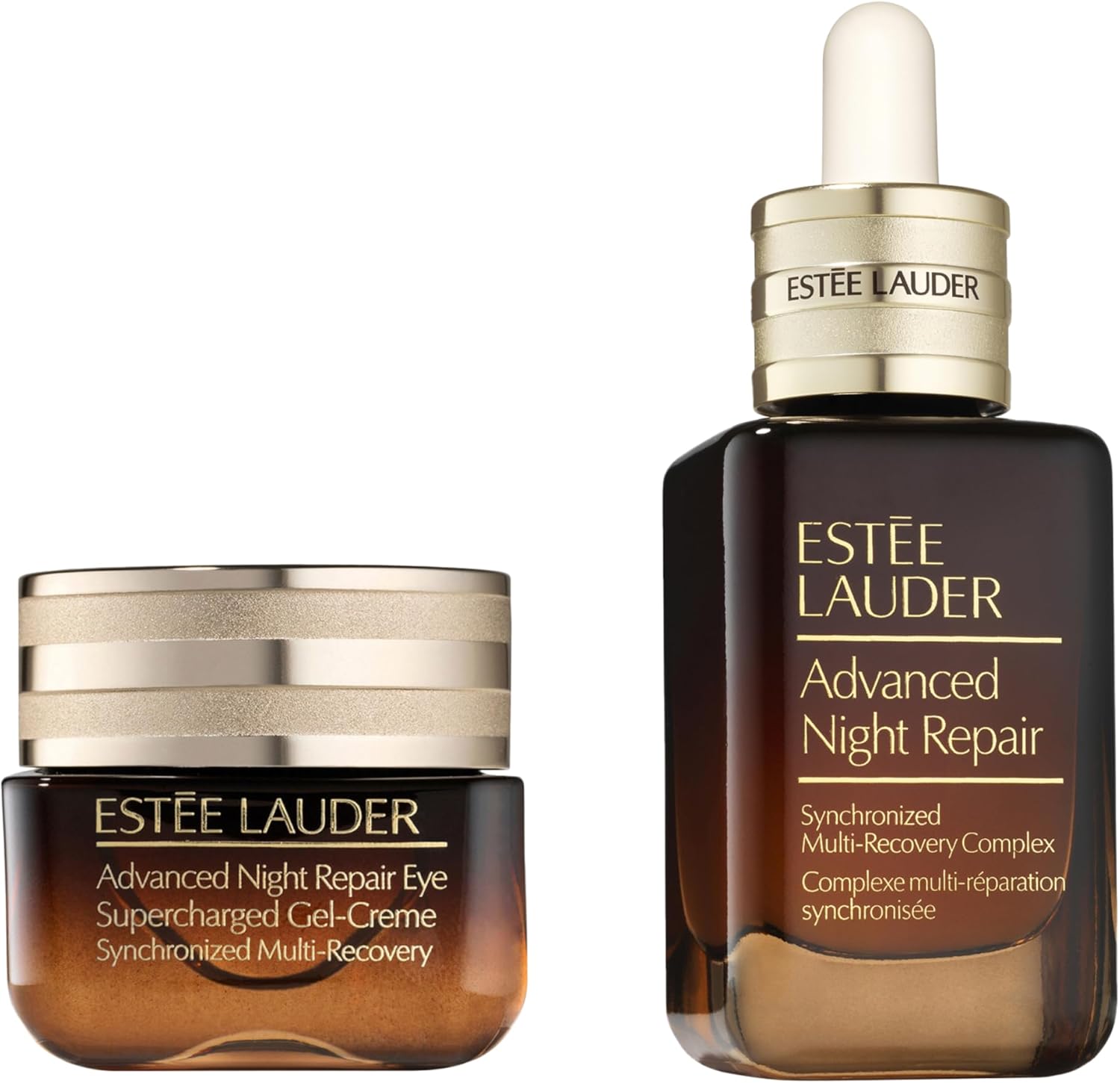
Estee Lauder Advanced Night Repair
Estee Lauder
“Antioxidant-rich serum to neutralise transient ROS generated by red-light sessions while preserving the signaling benefit.”
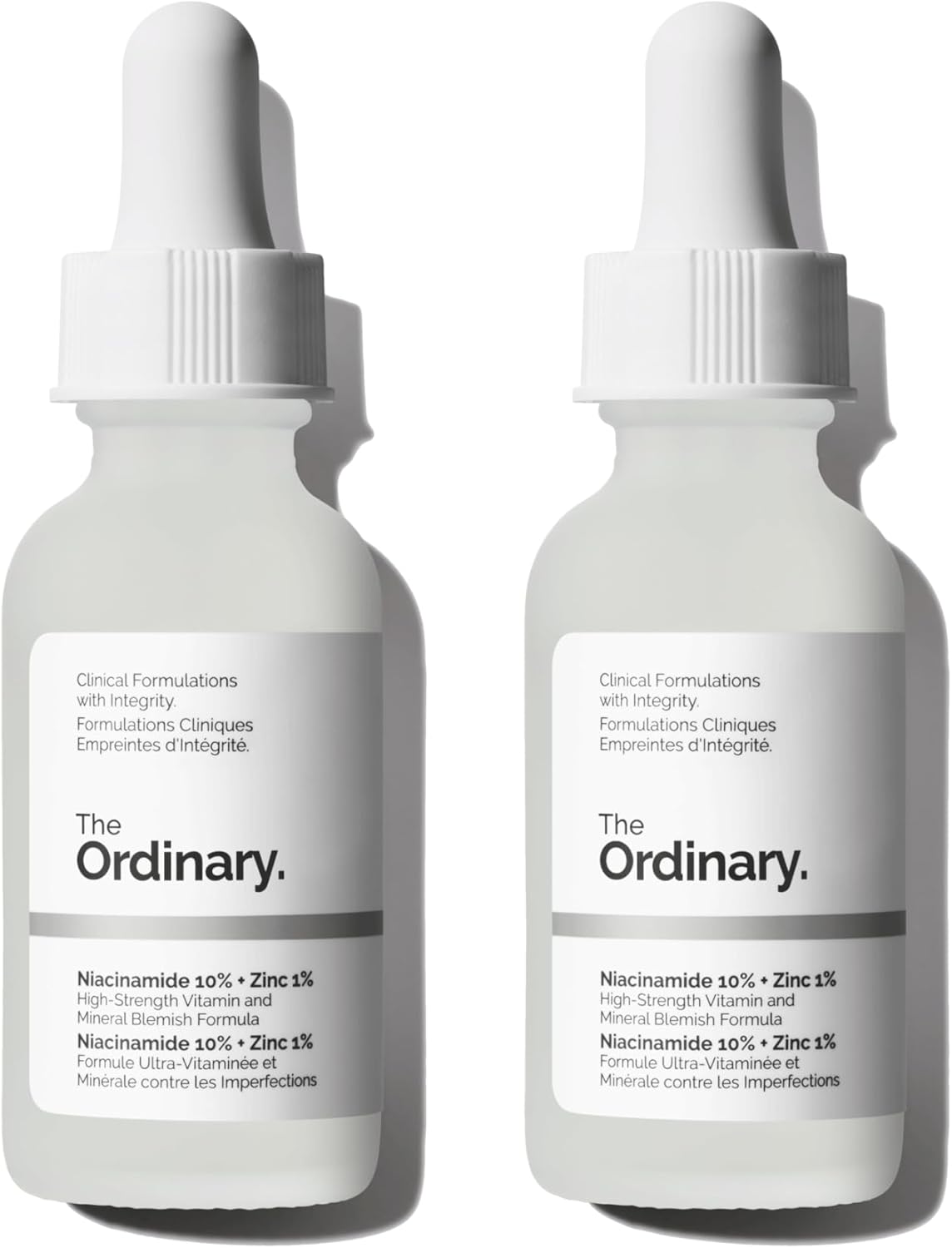
The Ordinary Niacinamide 10% + Zinc 1%
The Ordinary
“Growth-factor adjacent serum that layers over LED-treated skin to extend the regenerative window.”
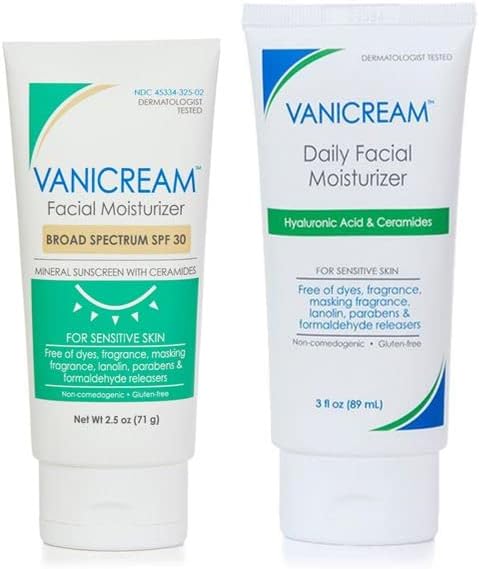
Vanicream Daily Facial Moisturizer
Vanicream
“Ceramide moisturizer that seals the LED-stimulated recovery period and protects the newly synthesized collagen matrix.”
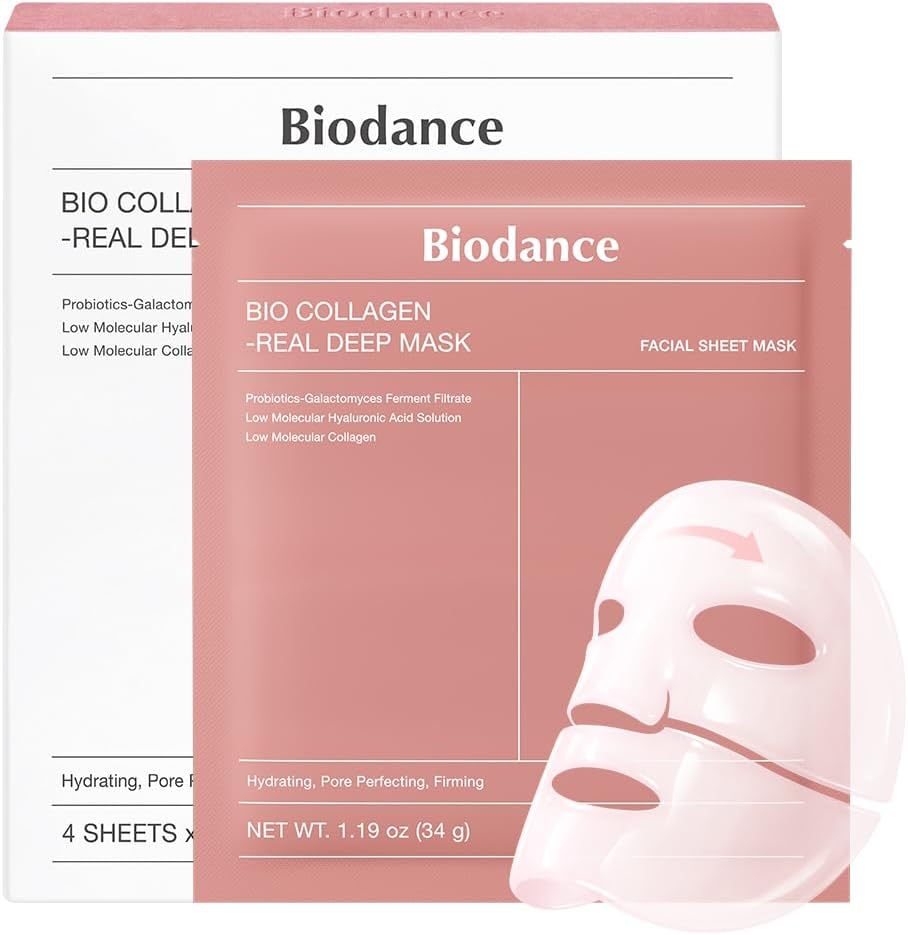
Biodance Bio-Collagen Real Deep Mask
Biodance
“Sheet mask used on non-LED nights to maintain hydration continuity in a device-led anti-aging routine.”
At-home red and near-infrared light therapy masks marketed for collagen stimulation, acne reduction, and post-procedure recovery. Category expanded rapidly in 2025 and 2026 as FDA clearances multiplied.
What Is LED Face Mask?
At-home LED face masks have moved from novelty to one of the fastest-growing categories in skincare retail. The devices deliver narrow-band light — typically red (630–660 nm), near-infrared (810–850 nm), and blue (415 nm) — at irradiances high enough to produce measurable biological effects. Red and near-infrared light stimulate mitochondrial cytochrome c oxidase, increasing ATP production in fibroblasts and driving collagen and elastin synthesis. Blue light at 415 nm photo-inactivates C. acnes via porphyrin excitation. By 2026 the FDA had cleared a growing list of at-home devices for wrinkles, photoaging, and mild-to-moderate acne; premium brands compete on irradiance, wavelength precision, and session protocols. Searches for "LED face mask" reached over 150,000 monthly in the US in late 2025.
“Red light photobiomodulation (630–660 nm) penetrates 3–5 mm into skin and is absorbed by cytochrome c oxidase in the mitochondrial electron transport chain.”
Why it works.
Red light photobiomodulation (630–660 nm) penetrates 3–5 mm into skin and is absorbed by cytochrome c oxidase in the mitochondrial electron transport chain. This upregulates ATP synthesis, transiently increases cellular reactive oxygen species (which signal fibroblast activation), and stimulates collagen I, collagen III, and elastin gene expression. Near-infrared (810–850 nm) penetrates deeper (up to 10 mm), reaching subcutaneous fibroblasts and supporting wound healing. Published meta-analyses show 20–30% reduction in periocular wrinkle depth after 12 weeks of 3–5 sessions per week at irradiances of 20–40 mW/cm² and total doses of 20–30 J/cm² per session. Blue light (415 nm) generates singlet oxygen from porphyrins produced by C. acnes, killing the bacterium in situ — effective for mild inflammatory acne but not cystic lesions.
How to try led face mask.
Consistency matters more than session length. Use your LED mask 3–5 times per week for 10–20 minutes, on clean dry skin with no serums underneath (actives can absorb or scatter the light). Pair red/NIR sessions with your evening routine for collagen stimulation; blue sessions work either morning or evening for active acne. Do not skip SPF during daytime — LED does not replace it. Track progress with monthly photos under consistent lighting. Expect measurable results at 8–12 weeks. Remove the mask if you feel heating; quality masks run cool.
Questions, answered.
Related dispatches.

Skin Barrier Repair Focus
Consumers now understand inflammation causes 'cortisol face'. Ceramide and barrier searches soaring.
Read →
Longevity Skincare
Products that extend cellular health, not just hide aging. Biggest 2026 skincare trend.
Read →
AI-Powered Personalization
AI and AR-powered skin analysis tools and custom product matching.
Read →- 1.Journal of Biophotonics — Photobiomodulation in Skin Regeneration (2023)
- 2.Lasers in Surgery and Medicine — Red LED Photoaging Meta-Analysis (2024)
- 3.Journal of Cosmetic and Laser Therapy — At-Home LED Device Comparison (2025)
- 4.FDA 510(k) Database — At-Home Phototherapy Clearances 2024–2026