
Hypochlorous Acid Spray
Products that embody this.
Editorially selected from our ranked archive.
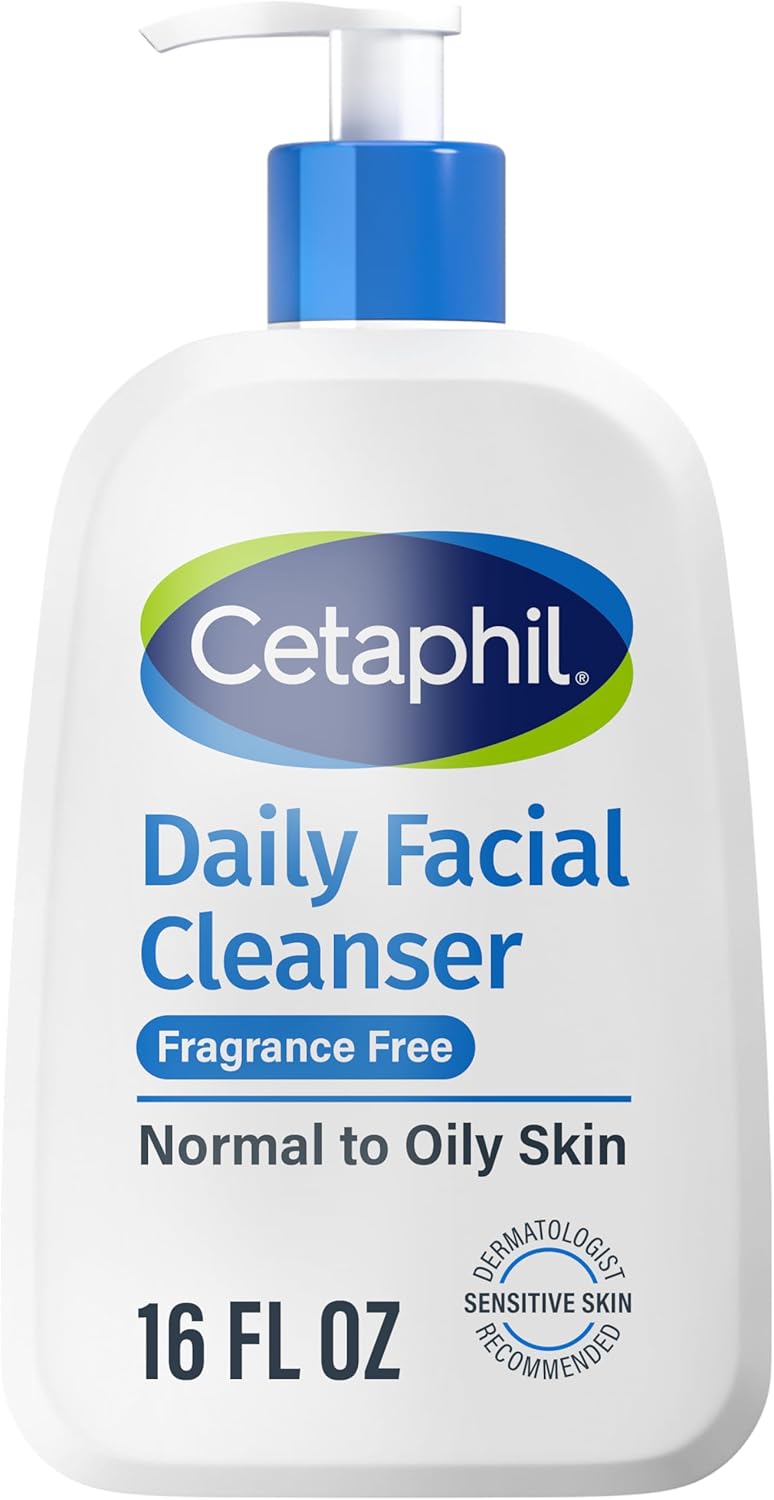
Cetaphil Gentle Skin Cleanser
Cetaphil
“Gentle cleanser that pairs well with HOCl mist — removes surface sebum before the antimicrobial step without stripping.”
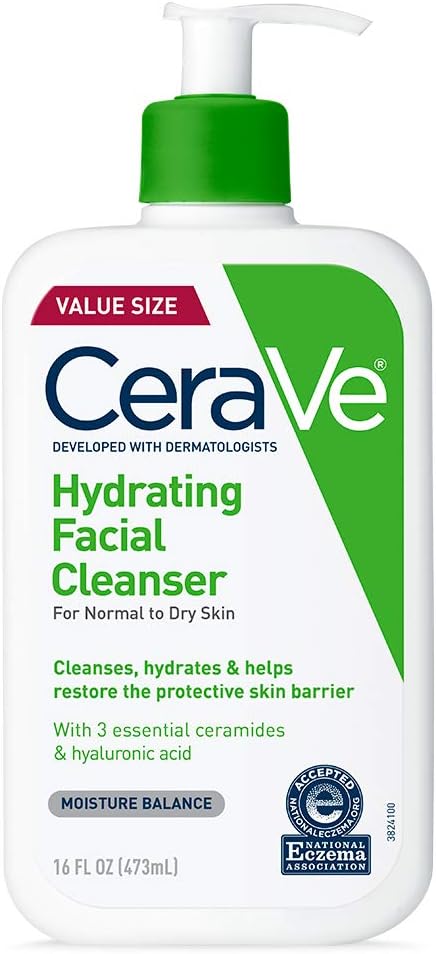
CeraVe Hydrating Facial Cleanser
CeraVe
“Low-pH cleanser suitable for the pre-HOCl step in an acne-focused routine without disrupting the skin barrier.”
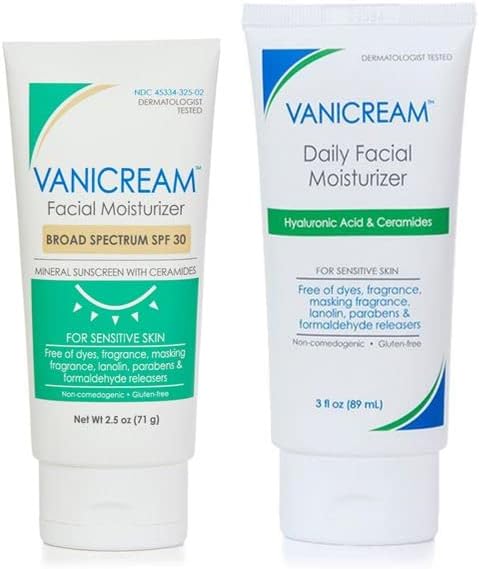
Vanicream Daily Facial Moisturizer
Vanicream
“Ceramide moisturizer that restores the lipid barrier after HOCl has done its antimicrobial work — completes the tolerance-first acne protocol.”
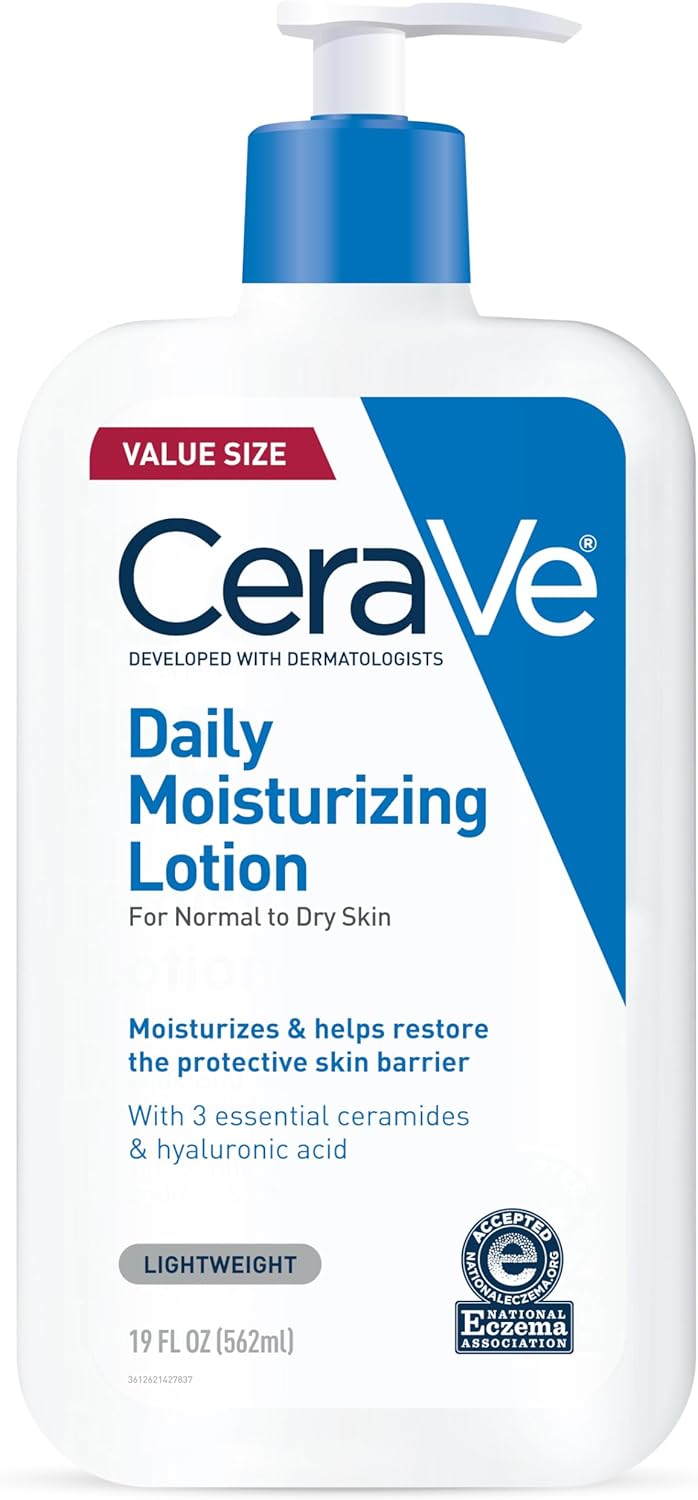
CeraVe Daily Moisturizing Lotion
CeraVe
“Lightweight moisturizer suitable for acne-prone skin using daily HOCl — non-comedogenic and barrier-supportive.”
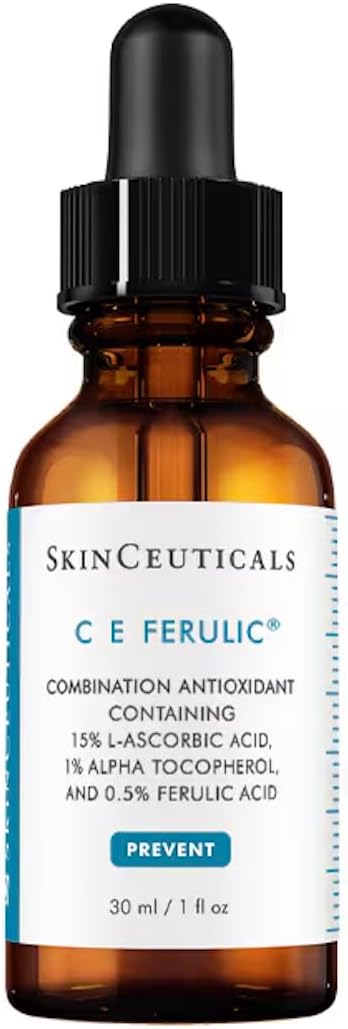
SkinCeuticals C E Ferulic
SkinCeuticals
“Niacinamide serum that layers over HOCl to manage post-inflammatory erythema and continue acne management without irritant actives.”
Endogenous antimicrobial mist that neutralises acne-triggering bacteria and calms inflammation without disrupting the skin barrier. Viral on TikTok in 2025 and 2026.
What Is Hypochlorous Acid Spray?
Hypochlorous acid (HOCl) is the same molecule white blood cells produce during the body's own inflammatory response. Bottled into a stable saline spray, it has become one of the most-searched skincare ingredients of 2025 and 2026 — Google exact-match searches sit around 90,000 per month. Dermatologists and wound-care specialists have used HOCl for decades for eczema and post-procedure hygiene; the TikTok moment arrived when dermatology creators framed it as the missing piece for acne-prone skin that could not tolerate benzoyl peroxide or salicylic acid. HOCl neutralises bacteria on contact without stripping the stratum corneum, and it has no irritation profile to speak of when formulated in the physiological 100–200 ppm range.
“Hypochlorous acid is a weak acid that dissociates into hypochlorite and hydrogen ions at physiological pH.”
Why it works.
Hypochlorous acid is a weak acid that dissociates into hypochlorite and hydrogen ions at physiological pH. Its antimicrobial action works by oxidising sulfhydryl groups in bacterial proteins and destabilising membrane lipids — the same mechanism neutrophils deploy during phagocytosis. Against C. acnes, S. aureus, and M. furfur, HOCl achieves >99.9% log reduction at 100 ppm within 60 seconds in published in-vitro studies. Crucially, because human cells possess catalase and glutathione peroxidase, they detoxify HOCl at the surface rapidly — explaining the ingredient's striking tolerability. The practical formulation challenge is stability: HOCl degrades to sodium chloride over months, so reputable brands use electrochemically activated water in opaque packaging with a dated shelf life.
How to try hypochlorous acid spray.
Use HOCl as a multi-step mist, not a standalone. Immediately after cleansing, spray 4–6 pumps at a 15 cm distance and let it air-dry for 30 seconds — no wiping. Follow with your normal actives and moisturizer. A second spray mid-day is effective for maskne, post-workout, or anytime skin feels inflamed. Do not layer HOCl directly with vitamin C (L-ascorbic acid) in the same step — the oxidant can compete with the antioxidant. Safe to use during pregnancy and for children with atopic dermatitis; consult packaging for age guidance.
Key products & habits
Questions, answered.
Related dispatches.

Skinimalism
Fewer products, better results. Simplified routines gaining massive traction.
Read →
Skin Barrier Repair Focus
Consumers now understand inflammation causes 'cortisol face'. Ceramide and barrier searches soaring.
Read →
Blue Beauty
Ocean-safe and reef-safe products. 2026 breakout search term in conscious beauty.
Read →- 1.Journal of Clinical and Aesthetic Dermatology — HOCl in Acne and Rosacea (2023)
- 2.Wound Repair and Regeneration — Hypochlorous Acid Tolerance Studies (2022)
- 3.Dermatitis Journal — HOCl in Atopic Dermatitis (2024)
- 4.Google Trends — hypochlorous acid spray peak volume 2025–2026