
Exosome Serum
Products that embody this.
Editorially selected from our ranked archive.
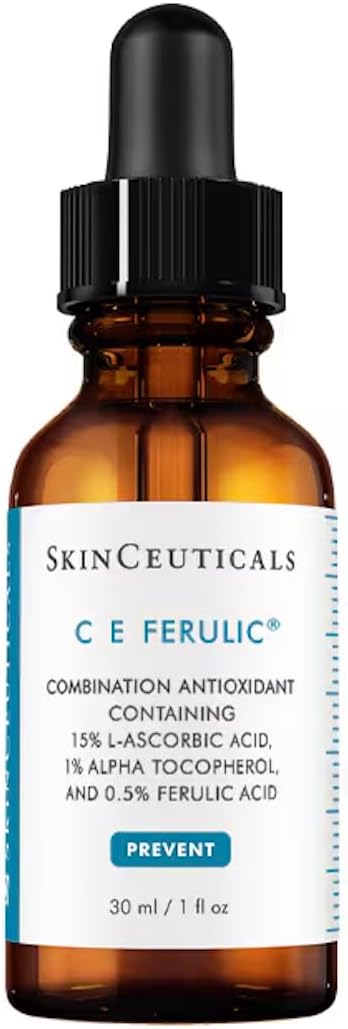
SkinCeuticals C E Ferulic
SkinCeuticals
“Premium regenerative serum that fits the post-procedure exosome protocol — delivers signaling actives on compromised barrier.”
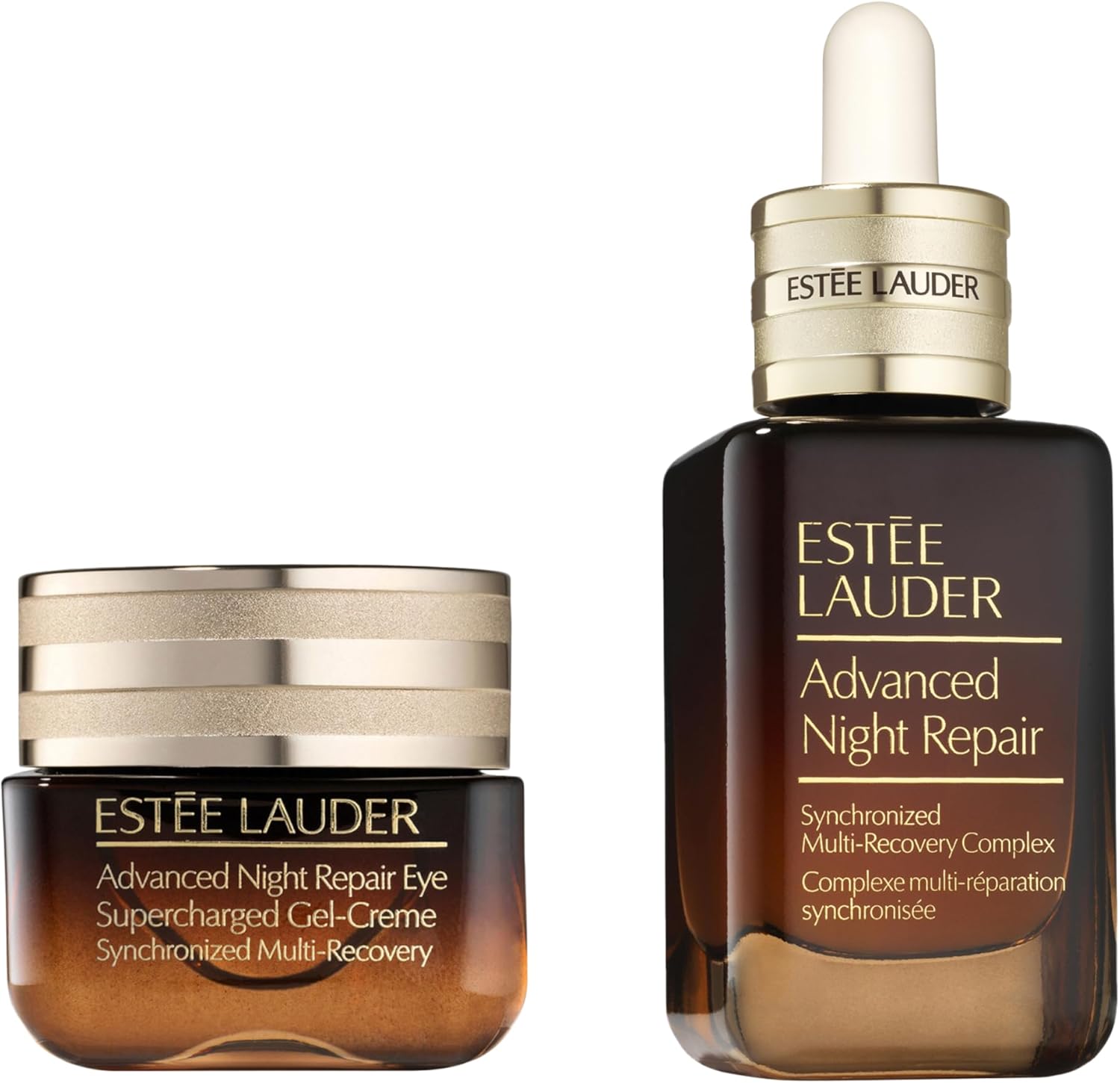
Estee Lauder Advanced Night Repair
Estee Lauder
“Growth-factor adjacent serum formulation that pairs cleanly with exosome ampoules for a layered regenerative routine.”
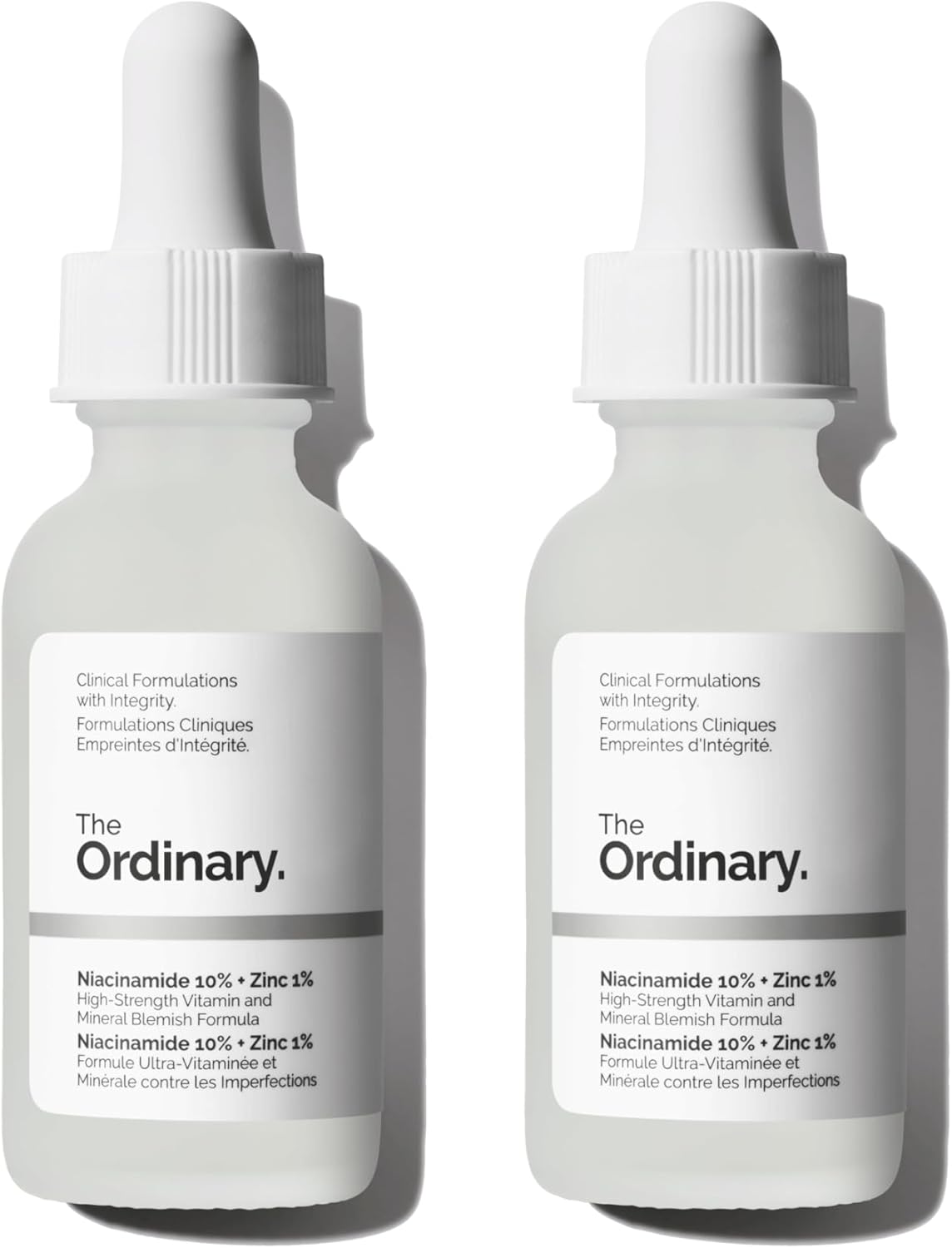
The Ordinary Niacinamide 10% + Zinc 1%
The Ordinary
“Peptide-rich serum that complements exosome topicals by supporting the downstream collagen synthesis they signal.”
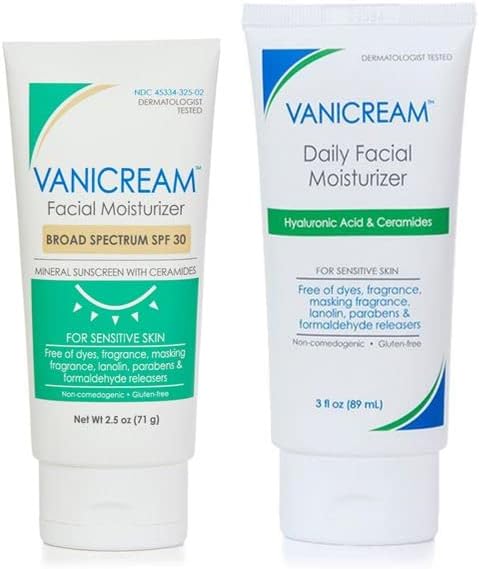
Vanicream Daily Facial Moisturizer
Vanicream
“Ceramide moisturizer to seal exosome actives and support the recovery window they work best in.”
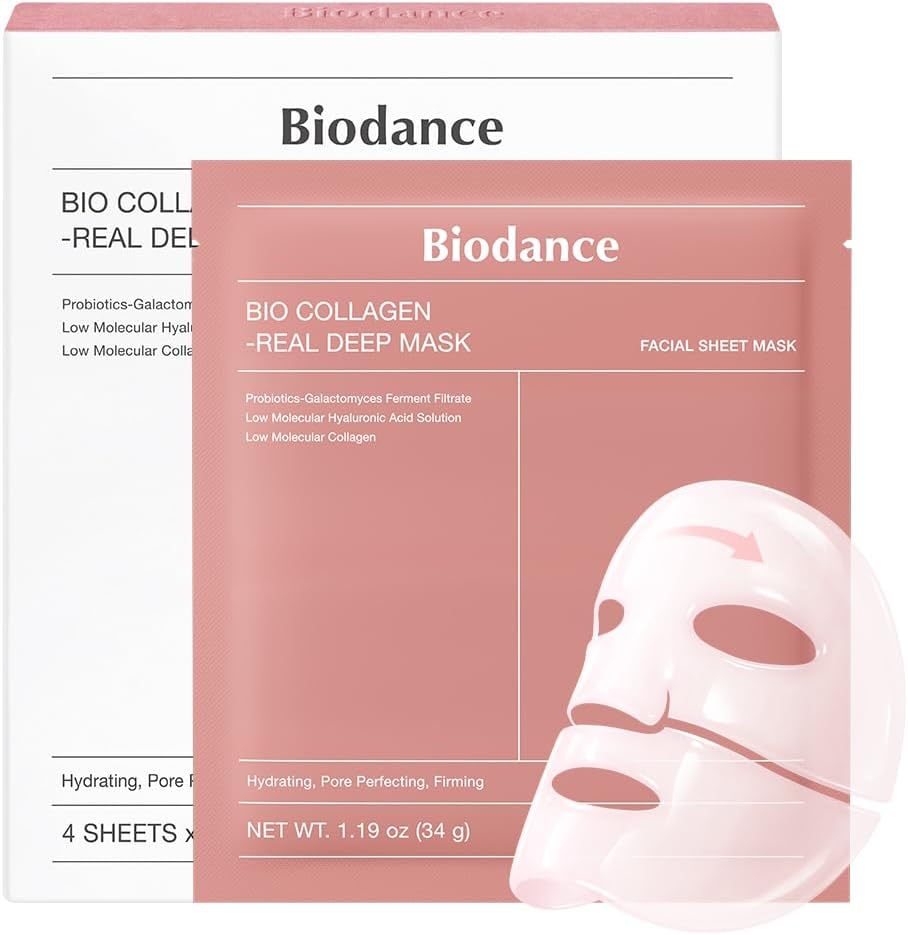
Biodance Bio-Collagen Real Deep Mask
Biodance
“Recovery mask that extends the contact time of exosome ampoules — compatible with the post-procedure protocol.”
Cellular-signaling nanovesicles derived from plant stem cells or human-origin sources, formulated into high-end serums positioned as the successor to peptides and growth factors.
What Is Exosome Serum?
Exosome serums are the newest regenerative skincare category to cross from in-clinic treatment to at-home use. Exosomes are extracellular vesicles (30–150 nm) that carry proteins, lipids, and microRNAs from a donor cell to a recipient cell — essentially cellular mail. In skincare, plant-derived exosomes (rose stem cell, edelweiss, wharton's jelly-equivalent botanical sources) are marketed as regenerative signaling packages that prompt fibroblasts to upregulate collagen and elastin without the regulatory complications of human-derived vesicles. The trend exploded in late 2024 after aesthetic clinics began offering post-microneedling exosome topicals; by 2026 the ingredient has moved down-market into accessible K-Beauty and indie-luxury serums with four-figure annual search growth.
“Exosomes are lipid bilayer vesicles that fuse with recipient cell membranes and release their cargo — including miRNA that can downregulate inflammatory gene expression and mRNA that can transiently upregulate structural protein synthesis.”
Why it works.
Exosomes are lipid bilayer vesicles that fuse with recipient cell membranes and release their cargo — including miRNA that can downregulate inflammatory gene expression and mRNA that can transiently upregulate structural protein synthesis. Published in-vitro studies on adipose-derived exosomes show fibroblast proliferation increases of 40–60% and measurable collagen I upregulation at nanomolar concentrations. Plant-derived exosome-like particles (ELNs) lack the regulatory pathway signaling of mammalian exosomes but carry phytochemicals and plant miRNAs that demonstrate antioxidant and anti-inflammatory activity in keratinocyte models. Topical penetration remains the open question — vesicles that large typically do not cross an intact stratum corneum, so products work best post-microneedling, post-laser, or paired with compromised-barrier recovery.
How to try exosome serum.
Reserve exosome serums for the recovery window after a barrier-disrupting step: immediately after microneedling, chemical peel, or laser treatment, or as the first product on cleansed damp skin before any occlusive. Apply 3–5 drops, press (do not rub) to aid permeation, and allow two minutes before layering. Because exosome cargo is fragile, store the product refrigerated if the formulator recommends it and avoid products that have sat on a hot shelf. Pair with a ceramide moisturizer and strict daily SPF — newly stimulated collagen is UV-sensitive for the first 4–6 weeks.
Key products & habits
Questions, answered.
Related dispatches.

Retinol Stack
Retinol remains #1 searched skincare ingredient globally. Stack with peptides and SPF.
Read →
PDRN Skincare
K-Beauty regenerative ingredient (salmon DNA). One of the most-searched terms of 2025.
Read →
Longevity Skincare
Products that extend cellular health, not just hide aging. Biggest 2026 skincare trend.
Read →- 1.International Journal of Molecular Sciences — Exosome Applications in Dermatology (2024)
- 2.Journal of Cosmetic Dermatology — Plant-Derived Exosome-Like Nanoparticles (2024)
- 3.Aesthetic Plastic Surgery — Post-Microneedling Exosome Recovery (2023)
- 4.Google Trends — exosome serum search trajectory 2024–2026